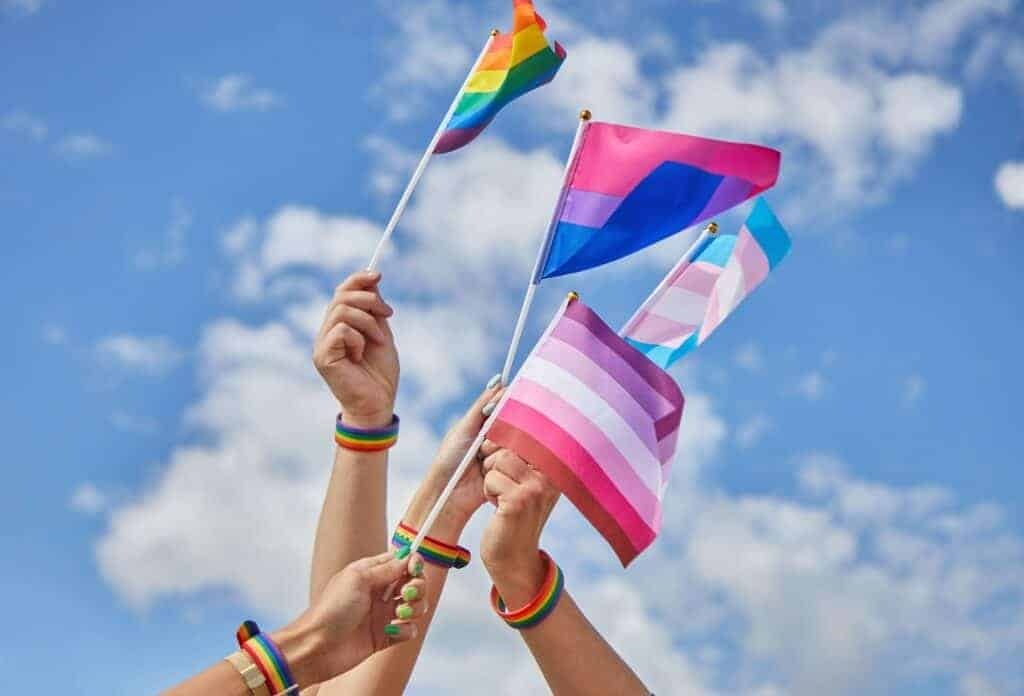
Professional lgbtq therapy can benefit a wide range of people in the community, as well as their loved ones. Below are some examples of who might find this specialized counseling especially helpful
LGBTQ Individuals
People who identify as lesbian, gay, bisexual, transgender, non-binary, gender non-conforming, or questioning often face unique societal and cultural challenges. Therapy offers a private space to talk about feelings like loneliness, anxiety, or confusion. It can also be a way to work through relationship concerns, body image issues, or stress at home or work. By speaking with a therapist who understands these issues—or by joining our lgbt group therapy—many individuals find a profound sense of validation, community, and acceptance
People Coming Out
Those who are coming out as LGBTQ may deal with anxiety, excitement, and uncertainty all at once. Coming out therapy can help guide them through discussions about fear of rejection and the reaction of friends or family. A supportive counseling environment gives them a chance to process these complicated emotions. It also offers a safe place to practice self-expression and talk openly about hopes or worries.
People Struggling With Gender Identity or Expression
Individuals who question or explore their gender sometimes experience confusion or distress. A therapist who has experience and training in dealing with gender issues can offer insights and strategies to help clients navigate the situation.
Sessions might include discussing ways to handle discrimination or dealing with a lack of understanding from others. Working with a knowledgeable professional through queer therapy NYC may make the process of self-discovery feel less isolating and more empowering.
Couples in LGBTQ Relationships
Same-sex or non-binary couples might seek couples therapy to address relationship concerns like communication problems or external social pressures. A counselor can provide tools for resolving disagreements and creating healthy boundaries. They may also help partners handle family dynamics or societal discrimination. By talking openly about these topics within our queer therapy NYC framework, couples can improve communication, navigate societal pressures, and grow closer together
Family Members of LGBTQ Individuals
Parents, siblings, or extended family members may not always know how to fully support an LGBTQ loved one. Therapy offers guidance on how to show empathy and acceptance as that individual explores their identity. It also provides a space for family members to discuss their own feelings or uncertainties without judgment. In some cases, family sessions or specialized lgbt group therapy can be excellent options for fostering understanding and building a stronger support network.
Transgender Individuals
Those who identify as transgender face a range of challenges related to transitioning. Therapy can help you deal with reactions from friends, family, or co-workers. You can also discuss medical transition if that’s something you need help exploring. It’s a safe setting to talk about cultural and societal pressures and how they affect daily life when living in a world that is not always understanding and inclusive.
People Facing Discrimination or Marginalization
Anyone who has experienced discrimination, harassment, or violence because of their sexual orientation or gender identity can benefit from a supportive therapeutic setting. It’s a chance to process trauma, as facing discrimination as a gay or queer person can be incredibly distressing, often leading to suicidal ideation and other harmful reactions. Through targeted lgbtqia challenge counseling, you can process experiences of marginalization and build effective coping strategies to deal with the intolerance that sometimes occurs in the world around us
Whether it’s for identity exploration, relationship concerns, or dealing with discrimination, LGBTQ therapy provides a confidential and affirming space for anyone who needs it.