
EMDR Therapist NYC: Expert Trauma Recovery and EMDR Therapy
If you’re struggling with traumatic memories, anxiety, or the lasting effects of childhood trauma, emdr therapy nyc can offer a path toward healing and relief. Short for Eye Movement Desensitization and Reprocessing, this evidence-based therapy is a powerful tool for treating post-traumatic stress disorder (PTSD) and a wide range of mental health concerns at Modern Therapy Group. At Modern Therapy Group, our compassionate EMDR therapists in NYC are here to guide you through your healing journey, helping you reprocess past pain, release emotional burdens, and move toward a more fulfilling life.
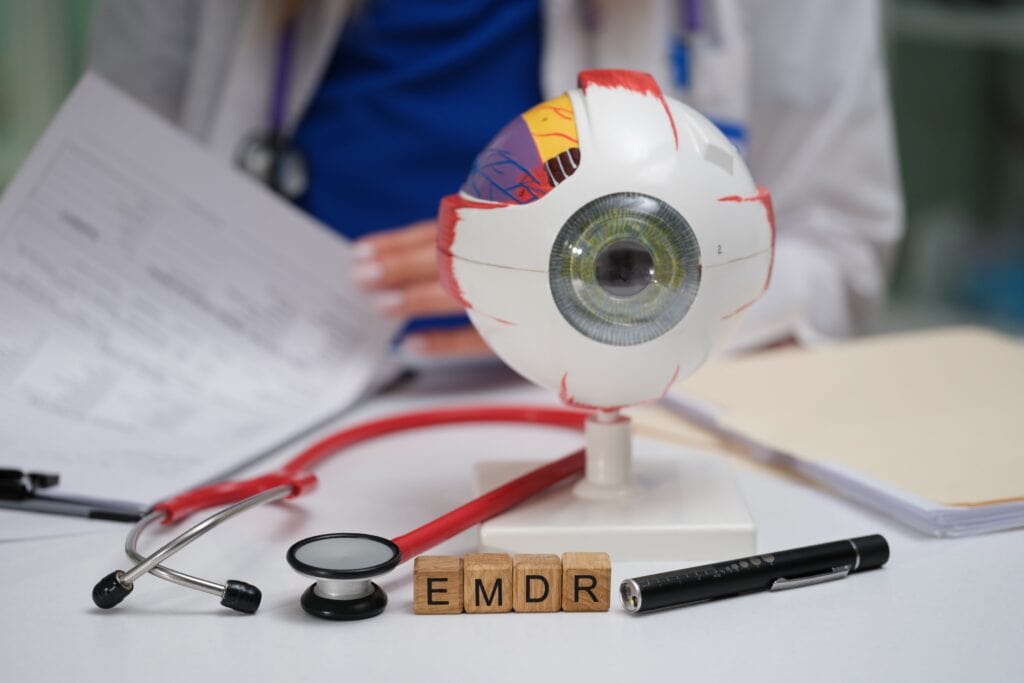
What Is EMDR Therapy? Connect with an Expert EMDR Therapist NYC
EMDR therapy, short for Eye Movement Desensitization and Reprocessing, is a powerful approach to treating trauma and helping people heal from the deep emotional wounds caused by traumatic experiences. Whether you’re navigating childhood trauma, sexual abuse, or a recent traumatic event, our specialized emdr therapy nyc offers a new way to process and release what’s been holding you back.
Unlike traditional talk therapy, which often involves retelling and analyzing painful past events, EMDR therapy sessions use bilateral stimulation techniques—such as guided eye movement, tapping, or sound—to activate the brain’s natural ability to heal. This process helps reduce the emotional charge of distressing memories, allowing them to be reprocessed in a way that feels safer and more manageable.
What the Science Has to Say About EMDR
Backed by decades of research and extensive training, emdr therapy new york has been successfully used to treat post-traumatic stress disorder (PTSD), anxiety disorders, and other mental health challenges. It helps you move through the healing process in a way that feels empowering and aligned with your personal needs.
A 2020 study published in Innovative Clinical Neuroscience showed EMDR to be as effective—or more effective—than other therapies, including CBT, especially for treating post-traumatic stress disorder (PTSD). In one study highlighted in the review, 77% of veterans no longer met the criteria for PTSD after just 12 EMDR sessions, showing just how powerful this method can be for processing and releasing trauma.
EMDR also helps with:
- Anxiety disorders
- Depression
- Bipolar disorder
- Substance use disorders
- Trauma in people with intellectual disabilities
Research even shows changes in brain activity after EMDR, suggesting that it helps the brain reorganize how it stores trauma.
Many people describe EMDR as the turning point in their healing journey, a shift from surviving to truly living. If you’ve tried traditional therapy or other therapy options without lasting relief, EMDR might offer the change you’ve been searching for.
How Does EMDR Therapy Work?
EMDR therapy is designed to help you reprocess traumatic memories that your brain has stored in a distressing, stuck state. Instead of just talking through trauma like in traditional talk therapy, EMDR uses something called bilateral stimulation, such as guided eye movements, tapping, or tones, to activate your brain’s natural ability to heal.
A 2020 study from the U.S. Department of Veterans Affairs National Center for PTSD confirmed that EMDR is one of the most effective treatments for PTSD, often working within just a few months. It helps people reduce the emotional pain tied to traumatic experiences, shift negative self-beliefs, and reconnect with a sense of emotional well-being and self-esteem.
The Science Behind It
EMDR is grounded in the Adaptive Information Processing (AIP) model. This theory suggests that trauma gets stuck in the brain when it’s not fully processed, leading to symptoms like flashbacks, anxiety, or shame. By using bilateral stimulation techniques, EMDR helps the brain reorganize how traumatic events are stored, which reduces emotional reactivity and supports healthier thinking.
Researchers have even seen changes in brain scans, showing improved communication between brain regions responsible for memory, emotion, and regulation of the nervous system.
Why It Works
EMDR has been successfully used to treat a wide range of challenges beyond PTSD, including anxiety disorders, depression, substance use, and even bipolar disorder. It’s especially powerful for those who’ve felt stuck with schema therapy, traditional therapy, or other various therapeutic techniques.
Because EMDR doesn’t require you to relive your trauma in detail, many people say it feels safer and more empowering than other approaches. For some, it truly makes all the difference.
What Issues Is Eye Movement Desensitization and Reprocessing EMDR Used to Treat?
If you’ve been carrying the weight of trauma or emotional pain, you should know that healing is possible. Eye Movement Desensitization and Reprocessing (EMDR) therapy offers a way to reclaim your story and regain control over your emotional and physical well-being. At Modern Therapy Group, we use EMDR therapy in NYC to help you overcome deep scars, reduce distressing memories, and move toward a more fulfilling life.
Here are some of the challenges EMDR therapy can help you with:
Post-Traumatic Stress Disorder (PTSD)
If you’re living with post-traumatic stress disorder, EMDR can be a transformative experience. Whether your trauma stems from childhood trauma, sexual abuse, military service, a traumatic event, or a serious accident, EMDR helps you reprocess those memories with less pain.
Through eye movement therapy, your emdr therapist nyc uses bilateral stimulation techniques—like side-to-side eye movements—to reduce the emotional charge linked to those painful experiences. You might even notice a shift in how your body holds onto the trauma, especially through body sensations and physical responses. This is because EMDR works deeply with your nervous system, helping it regulate and respond in healthier ways
Over time, EMDR helps integrate trauma into your past without letting it control your present. This is the heart of desensitization and reprocessing EMDR, which is why it’s such a powerful method for trauma recovery.
Anxiety and Panic Attacks
Are anxious thoughts or panic attacks keeping you from enjoying your life? EMDR can help by targeting the distressing life events that may have planted the seeds of anxiety. Rather than relying solely on traditional talk therapy, EMDR gives you practical tools to reduce both emotional distress and the physical sensations that often accompany panic.
By reprocessing traumatic memories, EMDR gently rewires your brain’s response to fear. Many people find they are better able to manage stress, break free from limiting beliefs, and feel emotionally safer, even in situations that used to trigger panic.
Depression
If you’re navigating depression that seems tied to the past, EMDR offers hope. It works by helping you process past events and distressing memories that may be holding you back. By doing so, you can start to replace negative self-beliefs with empowering ones that support emotional well-being and self-esteem.
We’ve seen many clients move through the healing process and begin to truly believe in a better future. And that’s the goal: helping you move forward into a more fulfilling life.
Eating Disorders
Eating disorders often have roots in trauma, interpersonal violence, or overwhelming emotional experiences. EMDR therapy can help you explore the emotional charge behind disordered eating patterns and develop a more balanced, self-compassionate relationship with your body.
If you’re tired of feeling stuck in old cycles, this work can make all the difference, bringing you closer to personal growth and self-discovery.
Substance Abuse
Struggling with addiction is often about more than just the substance. EMDR can help you identify and reprocess the traumatic experiences that contribute to substance abuse, whether that’s from sexual assault, grief, or emotional neglect.
With the support of a qualified emdr therapist nyc, you’ll be able to work through those wounds and build coping mechanisms that support long-term recovery. Many of our clients feel incredibly grateful once they begin to understand the root of their behaviors and start to truly heal with the guidance of a dedicated professional.
Chronic Pain and Somatic Disorders
Your body holds onto trauma, and EMDR can help you release it. For conditions like fibromyalgia or other somatic therapy-responsive disorders, EMDR helps address the unresolved emotional pain that may be amplifying your symptoms.
By reducing the mind-body stress loop, you may find that physical symptoms ease up, helping you reconnect with the present moment and feel more grounded in your body. When both your mind and body begin to feel safe, you can start to feel successfully treated, not just managed.
Healing from Childhood Trauma and Distressing Experiences Is Possible
Whether you’re dealing with anxiety disorders, trauma, or unresolved pain, EMDR therapy meets you where you are. It’s a powerful and human-centered approach that gives you the tools, space, and support to heal.
Let this be the beginning of a new chapter. One where you regain control and step into a life rooted in resilience and possibility.
Modern Therapy Group
Experience the benefits of EMDR Therapy in NYC.
Our team is here to help you or your loved one begin your mental health journey.
What Are Typical EMDR Therapy Sessions Like?
If you’ve been carrying the weight of traumatic memories, EMDR therapy can offer a safe and structured path forward. Each session is carefully designed to help you face your past without being overwhelmed by it, so you can move toward a more fulfilling life.
Here’s what you can expect during EMDR therapy sessions in NYC:
Initial Consultation and Thorough Assessment
Your first session begins with a qualified EMDR therapist who takes time to truly understand your story. This thorough assessment helps identify the traumatic events, patterns, and distressing memories that still affect your daily life and emotional state.
You’ll also learn how EMDR therapy works, what the 8-phase process looks like, and how your sessions will be tailored to your personal needs. This is a time for questions and connection, not pressure.
Preparation and Coping Tools
Before diving into reprocessing, your therapist helps you build a toolkit of coping skills and practical tools that support you throughout the healing process. These may include breathing techniques, visualization, or body-centered practices often found in somatic therapy. The goal? To create a supportive environment where you feel safe, seen, and emotionally equipped.
Targeting Distressing Life Events
Once you’re ready, you and your therapist will work together to select specific distressing life events or traumatic experiences that continue to cause emotional distress or trigger body sensations. You’ll identify not only the memory but the negative beliefs and physical sensations tied to it.
This step is also where schema therapy and other various therapeutic techniques may be gently integrated to help pinpoint thought patterns you want to shift.
Desensitization and Reprocessing Traumatic Memories through Bilateral Stimulation Techniques
Here’s where EMDR’s core healing happens. Your therapist guides you through bilateral stimulation techniques, often using guided eye movements, taps, or auditory tones. As you focus on the memory, the bilateral stimulation helps your brain begin reprocessing traumatic memories, breaking the loop of fear and helplessness.
This process allows you to regain control and quiet the stress stored in your nervous system.
Installing Positive Beliefs
As your distress lessens, you’ll begin replacing old beliefs like “I’m not safe” with empowering truths like “I am strong,” “I did my best,” or “I am healing.” These new beliefs are reinforced until they feel real, supporting your self-esteem, personal growth, and ability to overcome trauma.
Body Sensations Scan and Release
After positive beliefs are installed, you’ll do a body scan, checking for any lingering physical sensations tied to the trauma. If you feel tightness in your chest, a lump in your throat, or discomfort elsewhere, your therapist helps you work through it. This is where EMDR shines, healing both the mind and body.
Closure and Reflection
Each session ends with closure, a calming phase where you’ll be guided back to a state of balance. You’ll practice grounding techniques or gentle reflections, leaving the session feeling steady and cared for.
Between sessions, your emdr therapist nyc may ask you to journal or notice any thoughts, dreams, or shifts in emotions. These insights become part of your healing journey—a collaborative process of self-discovery and strength guided by expert care.
Healing Takes Time and That’s Okay
For some, EMDR offers noticeable relief in just a few sessions. For others, it takes more time, and that’s completely normal. Healing isn’t linear. It’s a process of rebuilding, of releasing deep scars, and rediscovering who you are without the weight of trauma.
You deserve to heal. You deserve to feel safe. And with the right guidance, you can break free from your past and walk confidently into a future filled with clarity and hope.
FAQ
Does EMDR therapy work, even if I’ve tried other approaches before?
EMDR therapy is highly effective, even for people who haven’t found relief through talk therapy, Gestalt therapy, or other various therapeutic techniques. Unlike traditional methods, EMDR focuses on how your brain stores trauma and helps you reprocess it at a deeper level. Many once skeptical people are now incredibly grateful they gave it a chance.
Does EMDR therapy work, even if I’ve tried other approaches before?
EMDR therapy is highly effective, even for people who haven’t found relief through talk therapy, Gestalt therapy, or other various therapeutic techniques. Unlike traditional methods, EMDR focuses on how your brain stores trauma and helps you reprocess it at a deeper level. Many once skeptical people are now incredibly grateful they gave it a chance.
What if I’ve experienced interpersonal violence or sexual assault—can EMDR help?
EMDR is designed to help people heal from traumatic experiences like interpersonal violence, sexual abuse, and sexual assault. It provides a safe and structured way to work through distressing life events, helping you regain your sense of safety, worth, and emotional well-being, without needing to relive every detail of what happened.
How does EMDR therapy help me in the present, not just with the past?
EMDR therapy doesn’t just help you reprocess past events; it also strengthens your ability to handle the present moment with more confidence. By reducing the emotional weight of old memories, EMDR opens the door for personal growth, better coping mechanisms, and the ability to navigate life’s challenges with clarity. Many clients find it helps them not only heal but thrive.
How do I know if I’m working with the right EMDR therapist?
A qualified EMDR therapist will have extensive training in the full 8-phase protocol, create a supportive environment, and take time to work collaboratively with you. If you’re looking for someone in New York who understands your needs and guides you with compassion and skill, trust your gut, the right EMDR therapist will make all the difference.
What is the difference between EMDR vs cognitive behavioral therapy New York?
When comparing EMDR vs cognitive behavioral therapy New York, the main difference is how each approach treats emotional distress. EMDR (eye movement desensitization and reprocessing) focuses on helping individuals process and reframe traumatic memories using guided bilateral stimulation. In contrast, cognitive behavioral therapy (CBT) focuses on identifying and changing negative thought patterns and behaviors through structured techniques and exercises. Both are widely used in New York and are considered effective, but they take different paths toward healing.
Is EMDR or CBT more effective for trauma treatment?
Both EMDR and CBT are evidence-based therapies commonly used to treat trauma, and research shows that each can significantly reduce symptoms of PTSD and emotional distress. Some studies suggest EMDR may reduce trauma-related symptoms and anxiety more quickly, while CBT is highly effective for long-term behavior and thought pattern change. Ultimately, the best choice depends on your individual needs, history, and treatment goals.
Which is better: EMDR vs cognitive behavioral therapy New York for anxiety or depression?
When deciding between EMDR vs cognitive behavioral therapy New York for anxiety or depression, it often depends on the root cause of your symptoms. CBT is commonly used for anxiety and depression because it helps individuals manage negative thinking and develop coping strategies. EMDR may be more beneficial if those symptoms are connected to unresolved trauma, as it works directly with how distressing memories are stored and processed in the brain.
Sources:
Gainer, D., Alam, S., Alam, H., & Redding, H. (2020). A flash of hope: Eye movement desensitization and reprocessing (EMDR) therapy. Innovations in Clinical Neuroscience, 17(7–9), 12–20.
Beauvais, D., McCarthy, E., Norman, S., & Hamblen, J. L. (2025, March 25). Eye Movement Desensitization and Reprocessing (EMDR) for PTSD. U.S. Department of Veterans Affairs, National Center for PTSD.
Contact Modern Therapy Group for More Information on EMDR Therapy NYC
If you’re interested in learning more about how EMDR therapy can help you heal from trauma and improve your overall well-being, consider reaching out to the Modern Therapy Group. Our team of experienced and compassionate therapists has specialized training in EMDR therapy and is dedicated to helping you overcome distressing memories and emotional challenges.
At Modern Therapy Group, we understand that each individual’s experience with trauma is unique. Our therapists are trained to provide personalized support, guiding you through the EMDR process at a pace that feels right for you. Call (646) 374-2827 or complete our online contact form to get started with EMDR therapy in NYC.

Medically Reviewed by Jack Hazan, MA, LMHC, CSAT
REQUEST A CONFIDENTIAL CALL
Find the right counselor for you.
Take the first step towards healing and self-discovery by reaching out for emdr therapy nyc. Complete the form below, and we will get back to you within 24 hours to discuss the process and schedule your first session.


Search the Site
What we help with
Modern Therapy Group
Experience the benefits of therapy in NYC.
Our team is here to help you or your loved one begin your mental health journey.
Other Services





Infidelity therapy is designed to address the complex and often negative emotions and challenges that arise when a relationship is betrayed. Our experienced therapists work with individuals and couples to process feelings of hurt, anger, and mistrust and rebuild communication and intimacy. We help clients understand the underlying issues that contributed to infidelity and develop coping strategies for healing and restoring the relationship.