Mood Disorder Therapy: Expert Mood Disorder Counseling in NYC
Mood disorders can impact everything from your energy and motivation to your relationships, work, and overall sense of stability. If you’re struggling with overwhelming sadness, mood swings, or emotional shifts that feel hard to manage, you’re not alone. Conditions like major depressive disorder, major depression, bipolar disorder, and other mood disorders are common and highly treatable with the right support. At Modern Therapy Group, we offer compassionate, evidence-based mood disorder therapy to help you treat mood disorders, understand your symptoms, build balance, and regain control of your mental health.

Mood Disorder Therapy: Specialized Mood Disorder Counseling
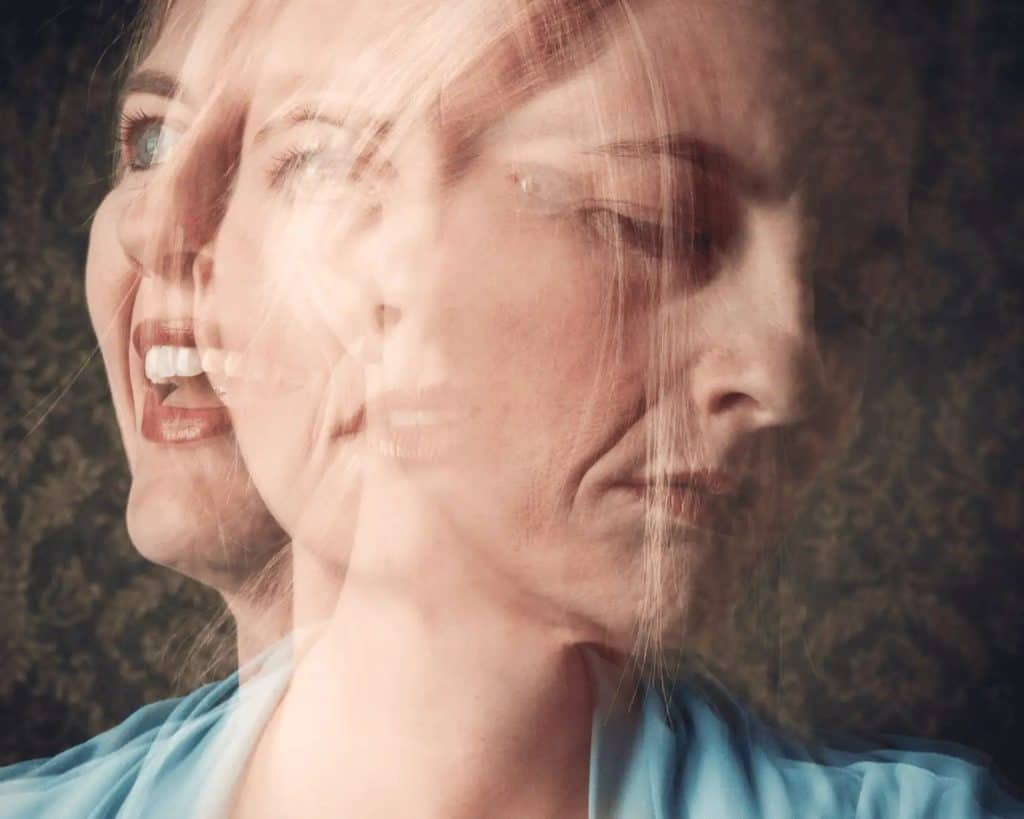
Mood disorders are a group of mental illnesses that affect the way a person feels, thinks, and functions day to day. These conditions often involve experiencing significant fluctuations in mood: shifts that are more intense or longer-lasting than typical emotional changes. Someone may feel persistently low, unusually energized, or stuck in cycles of worry and exhaustion. These patterns reflect an abnormal mood response that can impact work, relationships, and overall well-being. Mood disorders are medical and psychological conditions, not personal failures, and they respond well to compassionate, evidence-based mood disorder counseling and clinical care.
Common Types of Mood Disorders
Not all mood disorders present the same way, but each one deserves compassionate, evidence-based treatment. Here are the most common types and how they may affect your life.
Major Depressive Disorder (MDD)
Major depressive disorder involves persistent depressed mood, loss of interest in daily activities, and emotional or physical changes that make everyday life feel overwhelming. These depressive disorders can include mild depression, severe depression, or treatment-resistant depression, and often cause feelings of sadness, low energy, and difficulty functioning. With the right therapy for mood disorders, MDD is highly treatable and provides the necessary tools to help individuals manage depression effectively and reclaim their quality of life..
Bipolar I Disorder
Bipolar I disorder involves cycles of depression and manic episodes; periods of elevated energy, racing thoughts, or risky behavior. These fluctuations can feel frightening or destabilizing, but with mood stabilizers, cognitive behavioral therapy, and ongoing medication management, many people experience long-term stability and meaningful symptom relief.
Bipolar II Disorder
Bipolar II disorder includes depressive episodes and hypomanic episodes, which are less intense than full mania but still affect mood and functioning. Many individuals with this form of bipolar disorder struggle silently because symptoms may appear subtle. Compassionate, evidence-based mood disorder counseling helps people manage these subtle mood shifts and regain long-term emotional balance.
Cyclothymic Disorder (Cyclothymia)
Cyclothymic disorder features chronic, less severe form mood fluctuations that can still disrupt daily life. Individuals may experience frequent shifts between low mood and elevated mood that never fully meet criteria for major depression or mania. Long-term mood disorder therapy helps create daily stability and reduce the emotional uncertainty that often accompanies chronic mood fluctuations.
Seasonal Affective Disorder (SAD)
Seasonal affective disorder is a type of depression that appears during specific seasons, often in winter when sunlight decreases. Symptoms may include fatigue, sadness, and changes in sleep or appetite. With light-based interventions, specialized mood therapy, and supportive care, SAD can be effectively managed to help you maintain your energy year-round.
Postpartum Depression
Postpartum depression occurs after childbirth and involves intense feelings of sadness, anxiety, or emotional numbness. This condition is not a personal failure; it is a medical and psychological response linked to hormonal shifts, chronic stress, and exhaustion. Early evaluation and specialized mood disorder therapy are essential tools to help new parents regain emotional stability and feel supported during this transition.
Premenstrual Dysphoric Disorder (PMDD)
Premenstrual dysphoric disorder is a hormone-related mood disorder that causes severe emotional symptoms before menstruation. Individuals may experience irritability, extreme sadness, or difficulty managing daily life. With targeted treatment, such as therapy, SSRIs, or lifestyle strategies, PMDD symptoms can improve significantly.
Disruptive Mood Dysregulation Disorder (DMDD)
DMDD affects children and adolescents who experience chronic irritability, frequent anger outbursts, or intense emotional reactions. These symptoms often reflect deeper emotional concerns rather than “bad behavior.” Family-focused mood therapy, cognitive behavioral therapy, and consistent support help children and adolescents develop healthier coping skills to manage intense emotional reactions.

What Causes Mood Disorders?
Many mood disorders begin with changes in the brain and body. Research shows that abnormal brain activity, chemical imbalances, and inherited traits can all be factors that contribute to how people develop mood disorders. In some cases, chronic illnesses or medical conditions also increase vulnerability. Tools like brain imaging tests may help identify patterns that support a diagnosis, but most biological factors are understood through symptoms, history, and careful clinical evaluation.
Environmental and Social Triggers
Life experiences also play a major role in shaping mood. A stressful life, ongoing chronic stress, or major stressful life changes, such as loss, transitions, or family conflict, can trigger or intensify symptoms. Many people develop mood disorders after traumatic events, especially when emotional support is limited. While two people may experience similar situations, everyone processes stress differently, which is why individualized mood therapy is so important for building personal resilience.
How Thought Patterns and Stress Affect Mood
Unhelpful thinking patterns and emotional overwhelm often keep mood disorders going. Therapies such as cognitive and psychodynamic therapy help reveal the deeper beliefs that shape emotional reactions. Conditions like anxiety disorders or panic disorder often occur alongside mood disorders, adding layers of worry, avoidance, and emotional concerns that make daily life harder. Understanding these complex patterns helps our clinicians create a clearer path toward healing through targeted mood disorder therapy and long-term balance
Modern Therapy Group
Experience the benefits of mood disorder therapy.
Our team is here to help you or your loved one begin your mental health journey.
Do I Have a Mood Disorder?
If you’ve been feeling emotionally off balance, exploring mood therapy can be a vital step in reflecting on your mental health and reclaiming your sense of stability. Our checklist can help you identify early signs, but remember, nothing replaces a comprehensive psychiatric evaluation with a qualified healthcare provider or mental health professional. This is simply a starting point to help you understand your feelings more clearly.
Ask yourself the following questions:
- Do you experience prolonged sadness, depressed mood, or ongoing low energy that affects your daily life?
- Do your moods shift between extreme highs and lows?
- Do you feel more depressed or lethargic during certain seasons, especially winter?
- Does your child have frequent anger outbursts or irritability?
- Have you experienced a chronic form of low mood for two or more years?
- Do you notice severe mood swings or irritability in the days leading up to your period?
- Do your mood shifts include periods of mild depression and high energy?
- Did you feel sad, anxious, or emotionally detached from your baby after giving birth?
- Do you feel like no treatments have helped your depression?
- Do anxiety, worry, intrusive thoughts, or panic interfere with your ability to manage mental health conditions or daily stress?
If several of these questions resonate with you, it may be time to explore how mood therapy can help you understand your feelings and create a personalized path toward healing who can diagnose mood disorders accurately and create a personalized treatment plan.

Mood Disorder Treatment and Therapy
Evidence-Based Talk Therapy and Cognitive Behavioral Therapy
Many people begin their journey toward stability through evidence-based mood disorder therapy. Our approach utilizes cognitive behavioral therapy to identify thought patterns that influence mood, while psychodynamic therapy explores emotional roots and past experiences. For individuals who need support with emotional regulation, dialectical behavior therapy can be especially helpful. Some clients also benefit from family therapy or family-focused therapy, particularly when relationships or home dynamics play a role in symptoms. These approaches help build insight, strengthen coping skills, and create a foundation for long-term stability.
Medication Management for Mood Disorders
Medication can be an important part of treatment, especially when symptoms interfere with daily functioning. Options may include selective serotonin reuptake inhibitors, norepinephrine reuptake inhibitors, mood stabilizers, or other medications chosen based on the specific diagnosis. Through careful medication management, providers monitor progress, adjust doses when needed, and ensure that medications work alongside therapy to provide meaningful symptom relief.
Compassionate, Evidence-Based Care in New York
At Modern Therapy Group, our practice offers high-quality New York therapy, supported by a dedicated, highly trained team of experts. We use evidence-based treatments to ensure that every client seeking mood disorder counseling receives the most effective, modern care available in New York.
Whether you’re managing lifelong mood disorder symptoms stemming from depression and bipolar disorder, intermittent explosive disorder, severe depression, bipolar disorder, or another severe form or less severe form of mood imbalance, we’re committed to strengthening your mental health and helping you build a more stable, grounded life.

Mood Disorder Therapy in New York: Start Today
If your mood has begun to affect your daily life, your relationships, or your sense of stability, taking the first step toward help can make all the difference. At Modern Therapy Group, we provide the personalized, research-backed mood disorder therapy New Yorkers need to manage symptoms, understand their emotional patterns, and build lasting resilienc. Wherever you are in your journey, you deserve support that feels safe, compassionate, and effective. When you’re ready, reach out at (646) 374-2827 or contact us today to start feeling more grounded and in control.
Frequently Asked Questions
Some of the most common mood disorders include major depressive disorder, bipolar disorder, seasonal affective disorder, cyclothymic disorder, and postpartum- or hormone-related conditions such as premenstrual dysphoric disorder.
Mood disorders are diagnosed through a comprehensive psychiatric evaluation, where a clinician reviews symptoms, history, and functioning to determine the most accurate diagnosis.
For many people, yes, especially when symptoms are mild to moderate. Others benefit from a combination of therapy and medication for deeper or long-standing patterns.
Most people with bipolar disorder benefit from mood stabilizers or other medications to manage mood shifts safely and effectively.
Sources
Sekhon, S., & Gupta, V. (2023). Mood Disorder. In StatPearls. StatPearls Publishing.

Medically Reviewed by Jack Hazan, MA, LMHC, CSAT
REQUEST A CONFIDENTIAL CALL
Find the right counselor for you.


Search the Site
What we help with
Modern Therapy Group
Experience the benefits of therapy in NYC.
Our team is here to help you or your loved one begin your mental health journey.
Other Services