
At Modern Therapy Group, we help individuals with substance use disorders understand how alcohol use, drug abuse, and other substances affect the brain’s reward system, and how targeted treatment programs can promote recovery.
The Brain Involved in Substance Use and Addiction
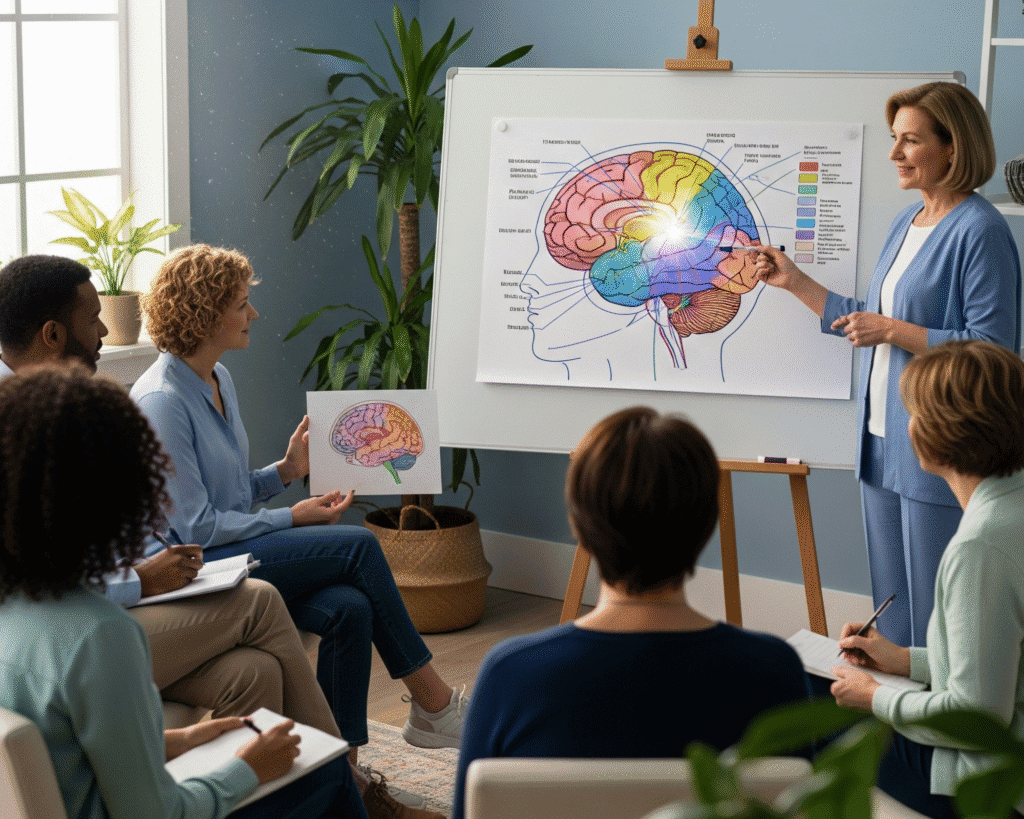
Research suggests that the brain regions most affected by substance misuse include the nucleus accumbens, prefrontal cortex, and amygdala; areas deeply involved in memory, motivation, and emotion. These same regions are strongly influenced by the brain’s dopamine system, which is tied to pleasure and reward.
Even with occasional use, drugs and alcohol can overstimulate these systems. Over time and with repeated exposure, the brain begins to adapt, changing the way a person makes decisions, increasing impulsivity, and leading to an increased risk of risky choices or continued use.
As substance misuse continues, these brain changes reinforce drug-seeking behaviors. The result is that stopping becomes harder, not because of a lack of willpower, but because the brain has literally rewired itself to expect the substance.

How Alcohol Use Disorder and Drugs Cause Acquired Brain Injury
An acquired brain injury linked to substance misuse can develop in several ways. These injuries may come from both direct toxic effects of drugs and alcohol, as well as indirect consequences of impaired states.
Direct and Indirect Causes of Brain Injury from Substance Use
Brain injury related to substance use can develop in more than one way, and often the effects are both direct and indirect. Toxic effects of addictive substances such as alcohol, cocaine, or opioids can directly damage brain cells and disrupt the way they communicate with one another.
In other cases, the risks are less obvious but just as serious. Traumatic brain injury (TBI) may happen during accidents, falls, or other injuries that occur while someone is intoxicated or impaired, leaving behind lasting damage.
There are also physical processes within the body that can quietly place the brain at risk. Reduced oxygen supply or poor circulation from substance misuse can impair both brain structure and brain function, creating strain that builds over time.
In addition, neurological inflammation triggered by alcohol or drug use can interfere with healthy brain signaling, leaving the brain more vulnerable to long-term problems.
Addictive Drugs Beyond Alcohol and Impact on Brain Regions
It’s not only alcohol that can place the brain at risk. Opioid receptors in the brain adapt to addiction, and over time this can disrupt both pain regulation and emotional stability. Cocaine use has been shown to cause dramatic changes in brain structure and blood flow, while other substances such as methamphetamine can directly damage brain cells and lead to long-term disruptions in dopamine levels.
According to the National Institute on Drug Abuse, drug misuse significantly increases the risk of acquired brain injury and can contribute to lasting neurological symptoms. These changes may feel overwhelming, but understanding how different substances impact the brain is an important step toward recovery and healing.
Long-Term Risks of Chronic Alcohol Use
The Substance Abuse and Mental Health Services Administration (SAMHSA) notes that chronic alcohol use can have wide-reaching effects on the brain and body. Over time, many people experience cognitive deficits, such as problems with memory, focus, and concentration. Others may notice neurological symptoms that interfere with daily life, from slower reaction times to challenges in emotional regulation. In addition, chronic alcohol use often impacts the liver, and abnormal liver function can further harm the brain as toxins build up in the bloodstream.
Why Early Recognition Matters
These risks don’t appear overnight. In fact, research suggests that even occasional use of addictive substances can begin setting these processes in motion. The brain slowly adapts to the presence of alcohol or drugs, making recovery more challenging the longer use continues. When these early signs go unnoticed, the result can be an increased risk of acquired brain injury and long-term cognitive decline. Recognizing symptoms early and seeking treatment for substance use disorders is a crucial step toward protecting brain health and overall well-being.
Risk Factors and Protective Factors
Not everyone experiences brain injury in the same way. Certain risk factors increase the likelihood of harm, including long-term substance abuse or prolonged alcohol use, co-occurring mental health conditions, frequent mixing of drugs and alcohol, and a lack of social support.
At the same time, there are also protective factors that can make a significant difference. These include early treatment, strong and supportive relationships, prescribed medications for stabilization, and therapeutic programs specifically designed to restore brain function. Together, these protective factors help reduce risk, support recovery, and give individuals the best chance at long-term healing.
How Co-Occurring Disorders Intensify Brain Damage
Brain damage from substance misuse can progress more quickly when mental health conditions like depression, anxiety, PTSD, or ADHD are left untreated. These challenges affect the brain’s reward system, making substances feel more reinforcing while reducing the brain’s natural ability to regulate mood, control impulses, and make balanced decisions.
When alcohol or drug use occurs alongside unresolved mental health symptoms, the result is often compounded harm. This combination leads to increased risk-taking behaviors, greater vulnerability to both physical and acquired brain injury, and a faster decline in cognitive health. Many individuals also experience heightened mood instability and find it even more difficult to stop using substances, despite the negative impact on daily life.
Research also suggests that co-occurring disorders amplify the neurological stress caused by substance misuse, further straining brain regions responsible for memory, problem-solving, and emotional regulation. Over time, this dual impact can mirror the long-term consequences seen in traumatic brain injury.
At Modern Therapy Group, we understand how closely substance use and mental health are connected. That’s why our dual diagnosis approach addresses both at the same time. Through prescribed medications, evidence-based therapy, and compassionate care, we work to restore brain function while supporting the whole person, offering the best chance for healing and sustainable recovery.
Treatment for Brain Damage from Substance Use
At Modern Therapy Group, we provide addiction treatment that addresses both mental health and the physical impact of substance use on the brain.
Our approach includes:
- Individual therapy to address the emotional and cognitive effects of brain injury
- Evidence-based treatment programs that help repair brain function through stimulation and skill-building
- Support for mental health disorders such as depression and anxiety that often accompany addiction
- Coordination with medical professionals for critical care in cases of severe injury
- Integration of social support, Narcotics Anonymous, and other community resources to maintain recovery
While professional treatment is essential for repairing the effects of substance use, certain lifestyle habits can help restore and protect brain function over time. Consistently practicing these habits can reduce the increased risk of relapse, improve mood stability, and support long-term recovery from substance abuse, substance misuse, or the effects of other drugs and alcohol.
Tips for Supporting Brain Health in Recovery
Studies suggest that people suffering from substance abuse or alcohol abuse may face both immediate and long-term risks to brain health. These risks aren’t a reflection of a moral failing, but rather the way the brain continues to adapt to addictive substances. Over time, repeated alcohol misuse, frequent drinking alcohol, or periods of alcohol intoxication place individuals at greater risk of lasting brain injury. That’s why combining treatment with practical, everyday brain health strategies can be so important.
Here are some approaches that support recovery and promote healing:
- Prioritize quality sleep. Adequate rest allows the brain to repair, regulate its reward system, and process memories, helping to undo some of the harm caused by drugs or alcohol.
- Choose balanced, nutrient-rich meals. Good nutrition supports neurotransmitter production and strengthens the body as it heals from substance abuse-related brain damage.
- Stay hydrated. Water is essential for healthy brain function, improving focus, energy, and emotional stability.
- Engage in regular physical activity. Exercise increases blood flow to the brain, encourages neuroplasticity, and lowers stress, helping people suffering from addiction rebuild resilience.
- Practice mindfulness and stress reduction. Techniques like meditation, yoga, or deep breathing can calm the nervous system and create more stability for those in recovery.
- Limit screen time and overstimulation. Reducing constant digital stimulation helps the brain reset from artificial dopamine spikes, which can mimic the cycle of substance abuse.
When paired with professional treatment, these strategies offer real support. At Modern Therapy Group, we help people suffering from alcohol misuse and substance abuse strengthen recovery, lower the greater risk of relapse, and protect brain health for the long term.

Taking the First Step
Research consistently shows that early intervention has a significant impact for individuals struggling with substance use disorders. Whether dealing with alcohol dependence, drug use, or cognitive impairments resulting from substance exposure, seeking help promptly can reduce long-term damage and support the brain’s natural ability to recover.
Without timely treatment, repeated substance use can alter the brain’s reward pathways, increase impulsivity and risk-taking behaviors, and, in some cases, contribute to injuries or accidents due to impaired judgment. Misuse of other substances can further affect memory, decision-making, and emotional regulation. Beginning treatment early provides a critical opportunity to restore functioning, build coping skills, and set the foundation for lasting recovery.
At Modern Therapy Group, we understand the complex link between substance use disorders and brain health. Our comprehensive programs address both substance misuse and co-occurring mental health conditions, offering patients the best chance of restoring brain function, reducing long-term risks, and building a sustainable recovery.
If you or someone you love is struggling, you don’t have to face it alone. Contact Modern Therapy Group today to take the first step toward healing.
Sources
Substance Abuse and Mental Health Services Administration (US); Office of the Surgeon General (US). (2016, November). Facing Addiction in America: The Surgeon General’s Report on Alcohol, Drugs, and Health [Chapter 2: The Neurobiology of Substance Use, Misuse, and Addiction]. U.S. Department of Health and Human Services.
Weil, Z. M., Corrigan, J. D., & Karelina, K. (2018). Alcohol use disorder and traumatic brain injury. Alcohol Research, 39(2), 171–180.
Bjork, J. M., & Grant, S. J. (2009). Does traumatic brain injury increase risk for substance abuse? Journal of Neurotrauma, 26(7), 1077–1082.
Substance Abuse and Mental Health Services Administration. (n.d.). Co-occurring disorders and other health conditions. SAMHSA.