If you or a loved one uses Adderall, it’s completely normal to have questions about how it works. Understanding how long does Adderall last is a key part of managing it safely, whether it’s for you or someone you care about. It’s a common question we hear, and the answer isn’t always straightforward because it can be different for each person. Let’s walk through it together, so you have clear, reliable information to help you feel more in control and informed.
What Is Adderall?
Adderall is a prescription stimulant medication that contains a combination of amphetamine and dextroamphetamine. It’s most commonly prescribed to manage the symptoms of attention deficit hyperactivity disorder (ADHD) by helping to improve focus and reduce impulsivity. It is also sometimes used to treat narcolepsy, a sleep disorder that causes excessive daytime sleepiness. The medication works by increasing the levels of certain chemicals in the brain, like dopamine and norepinephrine. Adderall comes in two primary forms: an immediate-release version (Adderall IR) and an extended-release version (Adderall XR), each designed to work over a different period of time.
How Long Does Adderall Last?
When we talk about how long Adderall lasts, we’re usually focused on the duration of its noticeable effects, like improved focus and alertness. This is closely related to the drug’s “half-life,” which is the time it takes for half of the medication to be cleared from your body. The average half-life of Adderall is about 10 to 13 hours. While the therapeutic effects wear off much sooner, it takes about two to three days for the drug to be fully eliminated from your system. The two different forms of the drug are designed to release the dose at different speeds, which changes how long you feel the effects.
How Long Does Adderall IR Last?
The effects of Adderall IR, or immediate-release, are typically felt for about 4 to 6 hours. As its name suggests, this formulation is designed to get to work quickly. The medication is released into your system all at once, providing a faster onset of effects. Because of its shorter duration, a person taking Adderall IR may need to take two or three doses throughout the day to manage their symptoms effectively.
How Long Does Adderall XR Last?
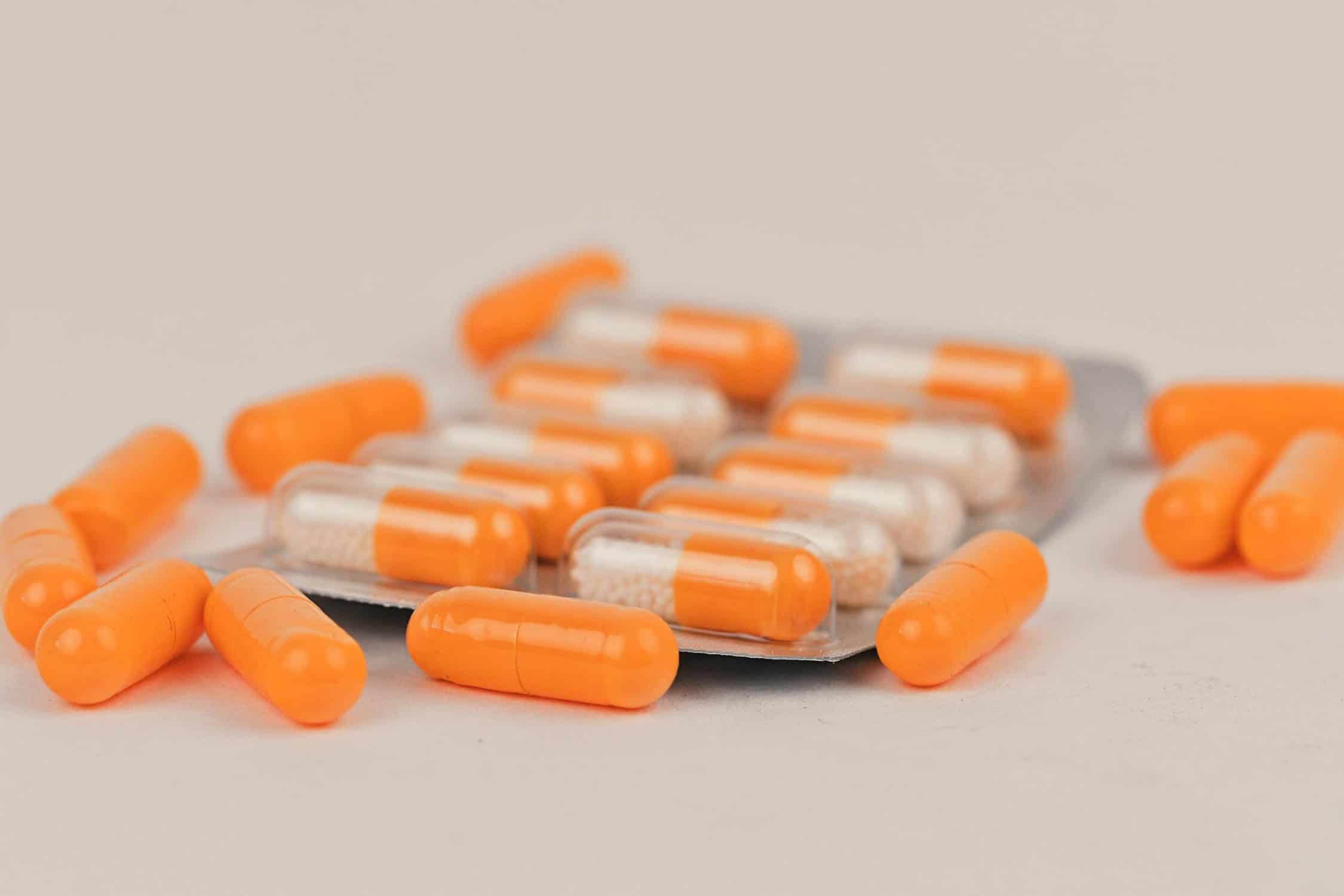
Adderall XR is the extended-release version, and its effects are designed to last much longer, typically up to 12 hours. This is possible because the capsule contains two types of beads. The first type dissolves right away, providing an initial dose of the medication. The second type dissolves more slowly, releasing the rest of the medication about four hours later. This two-stage release provides a steady, sustained effect that can cover a full school or work day with just one morning dose.
How Long Does Adderall Stay in Your System?
Even after the noticeable effects of Adderall have worn off, the drug and its byproducts, called metabolites, can still be present in your body. It takes time for your liver and kidneys to fully process and eliminate the substance. During this time, the drug can be detected by various tests. About 30-40% of the drug is excreted from the body unchanged, while the rest is converted into metabolites like hippuric and benzoic acid before being cleared. This is why the detection window is often longer than the duration of the drug’s effects. For those concerned about substance use and its detection, understanding these timelines is important.
Adderall and Drug Testing
The amount of time Adderall is detectable varies depending on the type of drug test used. It’s important to remember that the windows below are averages, and they can change based on the individual factors we’ll discuss next. As noted by the University of Rochester Medical Center, amphetamines are typically detectable in urine for 1 to 3 days.
| Test Type | Typical Detection Window |
|---|---|
| Urine Tests | Typical Detection Window: 1-4 days |
| Blood Tests | Typical Detection Window: Up to 48 hours |
| Saliva Tests | Typical Detection Window: 20-50 hours |
| Hair Tests | Typical Detection Window: Up to 90 days |
Factors That Affect How Long Adderall Lasts
The duration of Adderall’s effects and how long it stays in the body isn’t the same for every person. Several individual factors can influence how your body processes the medication. These variables are why one person’s experience with a certain dose might be quite different from another’s.
- Dosage and Frequency: Higher doses or more frequent use can lead to the drug accumulating in your system, extending both its effects and detection time.
- Metabolism and Body Composition: Each person’s metabolism is unique. A faster metabolic rate can process the drug more quickly, while factors like body weight and composition also play a role.
- Age: Younger individuals often metabolize Adderall faster than older adults, whose metabolic processes may have slowed down.
- Overall Health: Your kidney and liver function are especially important. Since these organs are responsible for breaking down and clearing the drug from your body, any impairment can significantly slow down the process.
- Urine pH: The acidity of your urine can affect how quickly Adderall is excreted. More acidic urine can speed up elimination, while more alkaline urine can slow it down.
What Happens When You Stop Using Adderall?
When someone who has developed a physical dependence on Adderall suddenly stops taking it, they can experience what’s often called a “crash” or withdrawal. This happens because their body has grown accustomed to the presence of the stimulant, and it needs time to readjust. The brain, used to the higher levels of dopamine, reacts to the absence of the drug, leading to a range of uncomfortable symptoms. It’s a challenging experience, but it’s a temporary phase of the body rebalancing itself. Understanding that these symptoms are a normal part of the process can make it feel less alarming.
Adderall Withdrawal Symptoms
The experience of withdrawal can be different for everyone, but there are several common symptoms that people report. These symptoms are often the opposite of the drug’s effects and can be both physical and psychological.
- Intense fatigue: Feeling extremely tired or lethargic is one of the most common symptoms.
- Depression: A low mood, sadness, and a loss of interest in activities you once enjoyed.
- Increased appetite: The appetite suppression effect wears off, leading to increased hunger.
- Sleep problems: This can include difficulty sleeping or, more commonly, sleeping much more than usual.
- Vivid or unpleasant dreams: Sleep can be disrupted by intense dreams.
- Irritability and anxiety: Feeling agitated, anxious, or having mood swings.
- Cravings: A strong psychological urge to use Adderall again.
Getting Help for Adderall Addiction
If you’re struggling with Adderall use, please know that you are not alone and that effective, compassionate help is available. Professional support can guide you through the process of safely managing withdrawal and addressing the root causes of misuse. Evidence-based therapies like cognitive-behavioral therapy (CBT) are highly effective in developing healthier coping strategies. Here, we offer specialized outpatient therapy designed to fit your life, including telehealth options nationwide. Our focus is on treating the whole person, which often means addressing co-occurring conditions like anxiety or ADHD that may be intertwined with substance use. Taking that first step to ask for help is the most important one.
Frequently Asked Questions
How long Adderall lasts really depends on the form you’re taking. Immediate release Adderall, often called Adderall IR, usually lasts around 4 to 6 hours, while extended release versions like Adderall XR can last closer to 10 to 12 hours. These extended release formulations are designed to release amphetamine salts slowly through the gastrointestinal tract, which helps people with attention deficit hyperactivity disorder stay focused throughout the day. Things like body composition, metabolism, and even other medications can influence how long the effects are felt, especially if someone is taking higher doses or using Adderall regularly.
Even after the effects wear off, Adderall can stay in your system for longer depending on the type of drug testing methods used. Standard urine drug tests can detect Adderall for about 1 to 3 days after the last dose, while saliva tests may detect it for up to 48 hours. Blood tests typically have a shorter window, often under 24 hours. Hair tests can detect Adderall for much longer, sometimes up to 90 days. These different drug tests all look for traces of dextroamphetamine salts, which remain detectable in the body after use. The exact timeline can vary based on several factors like drug metabolism, liver function, and kidney function.
Yes, Adderall can absolutely show up on drug tests and lead to a positive result, especially on urine drug tests, which are the most common form of drug screening. Because Adderall is a schedule II controlled substance made up of amphetamine salts, it will be detected as an amphetamine. If you are taking prescribed Adderall, it’s important to disclose that information before testing so it can be verified. Different drug testing methods have different detection windows, but in general, Adderall can remain detectable for a few days, depending on the last dose and other personal factors.
Taking the Next Step Toward Clarity
Understanding the facts is a crucial first step toward making informed decisions about your health. You don’t have to navigate this alone. Speaking with a professional can provide clarity and a path forward. If you’re ready for a confidential conversation, call us at (646) 374-2827 or contact us online to learn how the therapists at Modern Therapy Group can offer support.
Sources
- U.S. Food and Drug Administration. Label for Adderall. U.S. Food and Drug Administration.
- National Center for Biotechnology Information. (April 6, 2025). Dextroamphetamine-Amphetamine. StatPearls [Internet].
- MedlinePlus. (July 15, 2025). Dextroamphetamine and Amphetamine. National Library of Medicine.
- U.S. Food and Drug Administration. (August 11, 2002). Drug Approval Package: Adderall. U.S. Food and Drug Administration.
- U.S. Food and Drug Administration. (January 8, 2026). FDA List of Authorized Generic Drugs. U.S. Food and Drug Administration.
- U.S. Food and Drug Administration. (July 8, 2015). Adderall and Adderall XR (amphetamines) Information. U.S. Food and Drug Administration.
- National Center for Biotechnology Information. (July 31, 2023). Amphetamine. StatPearls [Internet].
- U.S. Food and Drug Administration. (2022). Adderall® CII (Dextroamphetamine Saccharate, Amphetamine …). U.S. Food and Drug Administration.
- U.S. Food and Drug Administration. (2007). ADDERALL (CII). U.S. Food and Drug Administration.
- U.S. National Library of Medicine. (October 4, 2004). Amphetamine excretion profile following multidose administration of …. PubMed.
- University of Rochester Medical Center. (January 1, 2025). Amphetamine Screen (Urine). University of Rochester Medical Center.
- National Center for Biotechnology Information. (August 6, 2021). Enantioselective Quantification of Amphetamine and Metabolites in …. PMC.
- National Center for Biotechnology Information. (January 1, 2020). Mechanistic PBPK Modeling of Urine pH Effect on Renal and …. PMC.
- National Center for Biotechnology Information. (December 5, 2012). Weight loss on stimulant medication: how does it affect body …. PMC.
- National Center for Biotechnology Information. (August 25, 2021). Amphetamines. LiverTox.
- UMass Chan Medical School. (November 30, 2015). UMass Chan neuroscientists shed light on brain ‘braking …. UMass Chan Medical School.
- SAMHSA. (June 9, 2023). National Helpline for Mental Health, Drug, Alcohol Issues. SAMHSA.
- U.S. Department of Veterans Affairs. Stimulant Use Disorder Clinician’s Guide. U.S. Department of Veterans Affairs.
- U.S. Food and Drug Administration. The Voice of the Patient Report: Stimulant Use Disorder. U.S. Food and Drug Administration.
- National Center for Biotechnology Information. (January 1, 2019). Chapter 2—How Stimulants Affect the Brain and Behavior. National Center for Biotechnology Information.
- National Center for Biotechnology Information. (September 2, 2024). Withdrawal Syndromes. StatPearls [Internet].