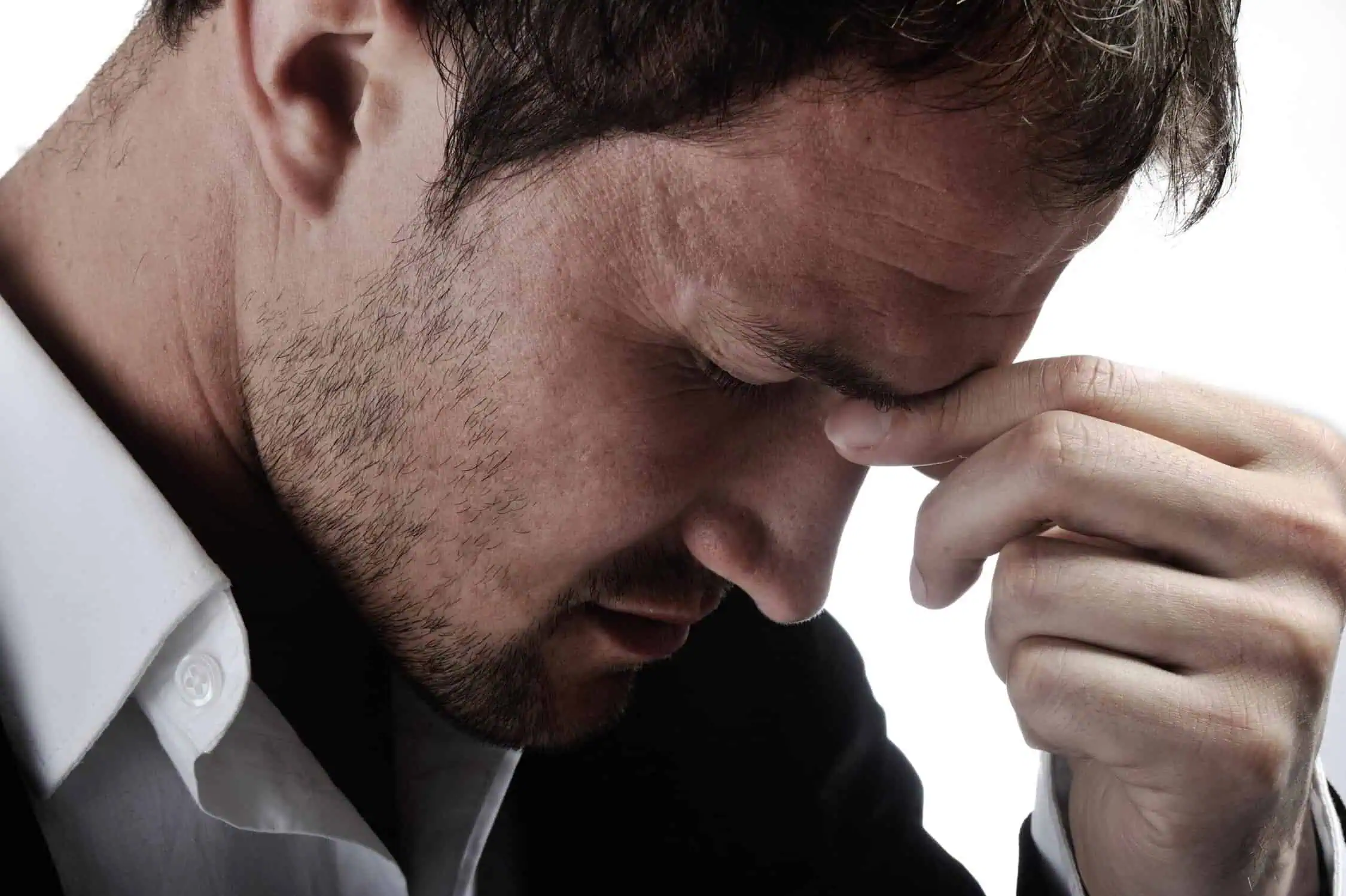
What Is Anxiety? Understanding the Physical and Emotional Signs
Anxiety is a natural stress response, your body’s way of keeping you safe from perceived danger. It becomes disruptive when the alarm stays switched on long after any real threat has passed. Knowing how to deal with anxiety begins with recognizing how it shows up in your body and your mind, so you can respond to the signals instead of being blindsided by them. If the feelings are frequent or intense, working with an anxiety therapist in NYC can help you build a plan that fits your life.
This experience is far more common than it feels in the moment. According to the National Alliance on Mental Illness, about 19.1% of U.S. adults are diagnosed with an anxiety disorder in a given year.
Anxiety shows up physically in many ways, including a racing heart, sweating, shallow breathing, and deep muscle tension. Your body is preparing to fight or flee, even when no real danger exists.
Emotional signs take over at the same time. You might feel intense dread, get stuck in constant rumination, or be flooded with automatic worst-case thoughts, all of which make it hard to focus on daily tasks. Feeling this way does not mean you are broken. It means your internal alarm system is a little too sensitive right now, and it can be turned back down.
Common Triggers to Watch For
Anxiety rarely appears out of nowhere. Learning your personal triggers helps you prepare for them instead of being caught off guard, and a few patterns show up for almost everyone.
- Poor or interrupted sleep, which lowers your tolerance for stress.
- Caffeine, alcohol, and skipped meals that destabilize your body.
- High-pressure situations like deadlines, conflict, or public speaking.
- Major life changes, including a move, a breakup, or a new job.
- Social media and news cycles that keep your nervous system on alert.
Once you can name what tends to set you off, you can plan a specific response for each one, which turns a stressful moment into something you have already rehearsed.
Coping in the Moment: How to Deal With Anxiety Attacks
When a panic attack hits, the sudden rush of fear can make you feel like you are losing control, and your fight-or-flight response sends your heart rate climbing. Learning how to deal with anxiety attacks in the moment is one of the most useful skills you can build. The techniques below calm your nervous system and signal to your brain that you are safe. Panic attacks are frightening, but they always pass, and these tools help them pass faster. It also helps to remember that you cannot force an attack to stop by fighting it; the aim is to ride it out while gently guiding your body back toward calm.
| Technique | Action Steps | Best Used For |
|---|---|---|
| 5-4-3-2-1 Method | Name 5 things you see, 4 you touch, 3 you hear, 2 you smell, 1 you taste. | Stopping panic attacks and quick grounding. |
| Box Breathing | Inhale 4 seconds, hold 4, exhale 4, hold 4. | Slowing heart rate and easing tension. |
| Diaphragmatic Breathing | Breathe deeply into your belly, not your chest. | Daily stress reduction and relaxation. |
Use Your Senses to Stay Present
Grounding exercises are highly effective for sudden panic, and one of the best is the 5-4-3-2-1 sensory method. It forces your brain to process outside information, which interrupts the internal spiral of fear. Name 5 things you can see, then identify 4 things you can physically touch. Listen for 3 things you can hear, find 2 things you can smell, and focus on 1 thing you can taste. Moving through your senses keeps you anchored in the present and breaks the cycle of panic.
Control Your Breathing to Ease Tension
When anxiety spikes, breathing often turns fast and shallow, and that hyperventilation makes the physical symptoms worse. Controlling your breath is a core part of mindfulness-based stress reduction. Box breathing is a simple, proven reset: breathe in for 4 seconds, hold for 4, exhale slowly for 4, hold for 4, and repeat. This slow rhythm directly lowers your heart rate. A university medical center review notes that structured breathing can quickly return your body to a calmer state.
Breathe Into Your Belly, Not Your Chest
Diaphragmatic breathing takes the same idea a step further by changing where you breathe from. Rest one hand on your chest and the other on your belly, then breathe slowly so that only the lower hand rises. Deep belly breathing signals to your nervous system that the emergency is over, and practicing it for a few minutes a day makes it far easier to reach for when stress suddenly spikes.
Long-Term Solutions: Building Sustainable Daily Habits
Once you know how to handle immediate panic, you can turn to sustainable lifestyle changes. Managing anxiety is about building consistent habits, not finding overnight fixes, and small daily choices add up to real, long-term resilience against stress.
Sleep hygiene is a major factor in mental wellness because fatigue makes it much harder for your brain to regulate emotions. Aim for 7 to 9 hours of quality sleep each night, and a calming bedtime routine can make a noticeable difference in how you feel the next day.
Diet also plays a big role in anxiety management. Limiting caffeine and alcohol matters, since both can trigger heart palpitations and heighten your body’s fight-or-flight response. Choosing water or herbal tea keeps you hydrated without adding nervous tension. Many people find that building these habits through individual therapy in NYC gives them the structure they need to follow through.
It also helps to protect your attention. Setting limits on doomscrolling, taking short breaks from screens, and staying connected to people you trust all lower the background noise that feeds anxious thinking. Small boundaries around what you consume can be as steadying as the food and sleep habits themselves.
Get Active to Burn Off Tension
Physical activity is a powerful, natural way to process anxiety. When you feel stressed, your body produces excess adrenaline and cortisol, leaving you restless and on edge, and regular movement helps burn those chemicals off. Exercise also releases endorphins, which lift your mood. You do not need to run a marathon; gentle movement, such as yoga, swimming, or a brisk daily walk, can significantly reduce physical tension and clear your mind.
Challenge Your Thoughts: The Power of Cognitive Reframing
Cognitive reframing is a powerful way to shift your mindset. It means looking closely at your thoughts and gently challenging the ones that cause distress. We often fall into unhelpful patterns without realizing it. One common trap is catastrophizing, where you automatically assume the worst possible outcome. Another is jumping to conclusions without any real evidence.
When you catch yourself in a loop of rumination, pause and write the thought down. Seeing it on paper takes away some of its power. Ask yourself whether the thought is entirely true and what evidence you actually have for it, then write down a more realistic alternative.
For example, change “I will fail this presentation” to “I am prepared, and I will do my best.” Rate how strongly you believe the new thought on a scale of 0 to 100%. Over time, this practice builds healthier mental habits. It is a major part of cognitive behavioral therapy in NYC programs, and it helps break the fear cycle by changing the meaning you assign to stressful events.
How to Deal With Anxiety at Work
Work anxiety can drain your energy and wreck your focus. Deadlines, meetings, and workplace conflict are common triggers for high stress, and managing this specific kind of anxiety takes a practical, proactive approach.
Start with scheduled micro-breaks throughout your day. Stepping away from your desk for just two minutes can reset your nervous system, and you can use those pauses to practice deep breathing or stretch your muscles.
Time-management tools also reduce daily overwhelm. Break large, intimidating projects into small, manageable steps and focus on one task at a time. Practice setting clear boundaries too: you do not have to answer emails late at night. Creating a healthy separation between your job and your personal life is essential for managing stress and sustaining a long career.
Anxiety Disorders: When It’s More Than Just Stress
It is completely normal to feel stressed before a big event. However, it is important to know when anxiety crosses the line from a normal emotion to a clinical condition. If your worry is constant, intense, and interferes with your daily life, you might be dealing with a medical condition.
There are several distinct types of anxiety disorders. Generalized Anxiety Disorder involves broad, chronic worry about everyday things like health, money, or family. Panic disorder is characterized by sudden, unexpected panic attacks and a lingering fear of having another one. Social anxiety disorder focuses on a deep, persistent fear of being judged or humiliated in social settings. Specific phobias involve intense fear tied to one particular trigger, like flying or heights.
It is vital to remember that these are highly treatable medical conditions. They are not character flaws or signs of weakness. Millions of people manage these disorders successfully every day.
Know When to Seek Professional Help
Recognizing when you need professional help is a sign of strength. Reach out for support when anxiety begins to limit your daily life. If your worry consistently disrupts your sleep, strains your relationships, or makes it hard to focus at work, it is time to talk to a professional.
Therapy is not a last resort for when things fall apart. It is a standard, empowering tool for everyday self-care, and working with a compassionate therapist provides a safe space to process your feelings.
Modern treatments are effective and accessible. Evidence-based approaches like structured talk therapy and careful medication management can dramatically improve your quality of life, and providers are trained to help you build a personalized toolkit for emotional regulation. Getting help is simply a smart, proactive choice for your overall wellness.
A first appointment is usually a conversation, not a test. Your therapist will ask about what you are experiencing, when it started, and how it affects your day, then work with you to set goals and outline a plan. Knowing what to expect can make that first step feel far less intimidating.
Take the Next Step Toward Relief
If your symptoms feel too heavy to carry, Modern Therapy Group provides contemporary, accessible, and judgment-free support. We offer in-person options in Florida and New York, alongside a robust multi-state telehealth program. Contact us or reach out to our team at (646) 374-2827 to schedule an appointment. Taking this practical step connects you with an expert who can help you manage your mental health on your own terms.
Sources
National Institute of Mental Health. (2023). Breathing practices for stress and anxiety reduction. National Institutes of Health.
National Institutes of Health. (2023). Brief structured respiration practices enhance mood and reduce negative affect via the noradrenergic system. National Institutes of Health.
Harvard Medical School. (2021). Sleep and mood. Division of Sleep Medicine, Harvard University.
National Center for Biotechnology Information. (2023). Sleep deprivation. StatPearls Publishing.
National Institutes of Health. (2024). The impact of exercise on depression: how moving makes us feel better. National Institutes of Health.
National Institutes of Health. (2023). Role of physical activity on mental health and well-being: a review. National Institutes of Health.
National Institutes of Health. (2023). Cognitive restructuring and psychotherapy outcome. National Institutes of Health.