
Thougths from our clinician: Lara Hanneman – MA, LPCC, LADC
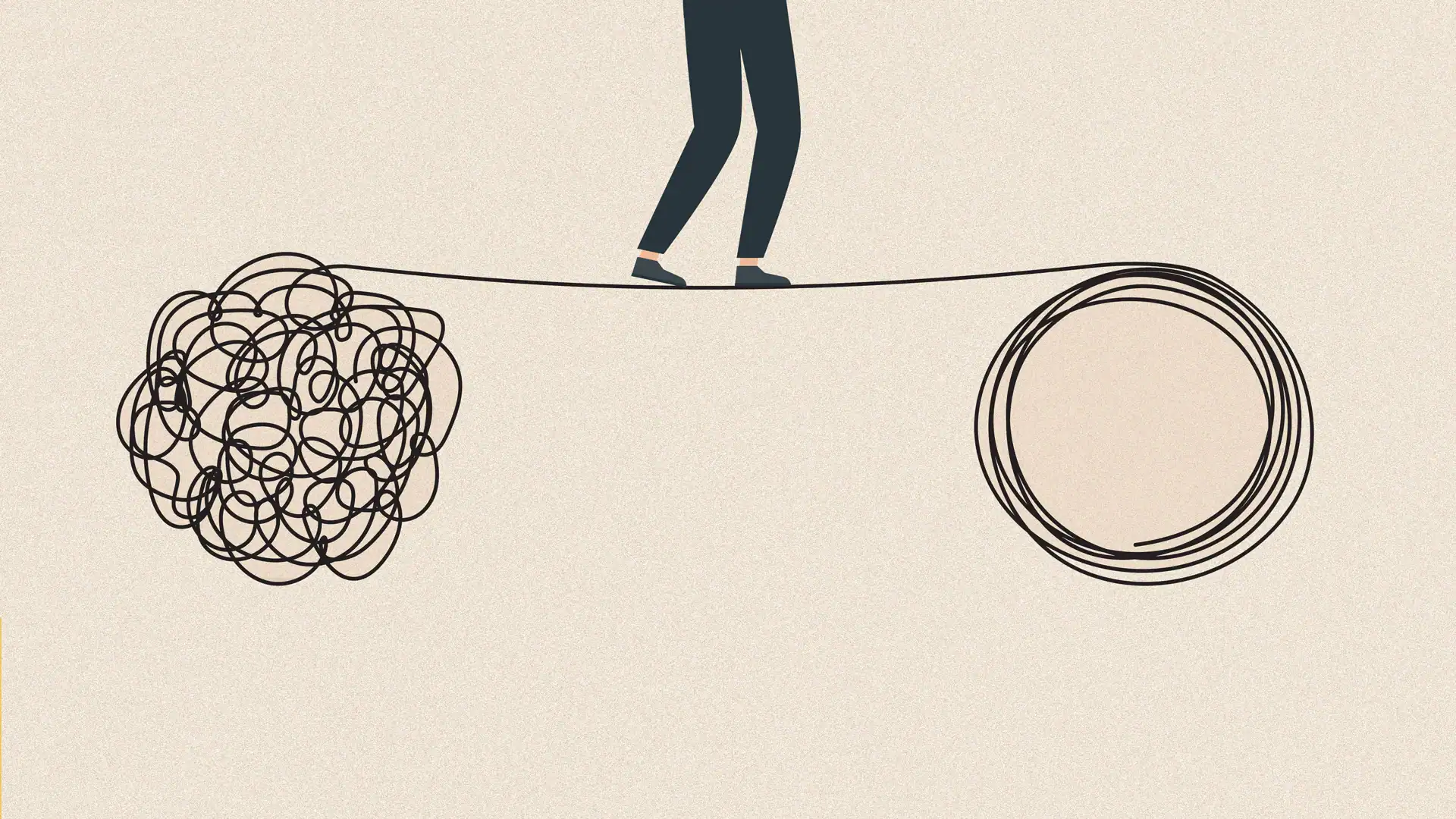
In a world where work emails ping late at night and the pressure to “do more” never stops, work-life balance is no longer a luxury—it’s essential. Without it, burnout, stress, and disconnection from what matters most become inevitable. With it, we gain clarity, energy, and fulfillment both in and out of the workplace.
Why Work-Life Balance Matters
Work-life balance is more than splitting time evenly between professional and personal responsibilities. It’s about creating a sustainable rhythm that allows you to thrive in both areas.
When balance is neglected, the consequences can be serious:
- Chronic stress and fatigue that erode both health and focus.
- Reduced productivity, as long hours often lead to diminishing returns.
- Strained relationships, when personal time is constantly overshadowed by work.
- Loss of joy and motivation, making life feel like an endless to-do list.
On the other hand, prioritizing balance brings significant benefits:
- Increased productivity and creativity.
- Improved well-being and resilience.
- Stronger connections with loved ones.
- Greater satisfaction and meaning in both work and life.
The Challenges of Balance Today
Why is balance so hard to achieve? Modern life presents several barriers:
- Technology blurs the line between work and home, keeping us “always on”.
- Remote and hybrid work often remove natural boundaries like commutes or office
- hours.
- Workplace culture may reward overworking and celebrate “hustle.”
- Personal guilt—especially among parents or caregivers—can make stepping back feel selfish.
Acknowledging these challenges is the first step toward creating a healthier approach.
Strategies for Achieving Work-Life Balance
Achieving balance looks different for everyone, but certain practices help most people regain control of their time and energy.
1. Set Clear Boundaries
Decide when your workday ends—and honor it. If you work from home, create rituals (like a walk or shutting down your laptop) that mark the transition from work to personal life.
2. Prioritize, Don’t Overload
Not every task deserves your time. Use prioritization tools, even a simple, structured to-do list can be helpful.
3. Learn the Power of “No”
Every “yes” to unnecessary tasks is a “no” to your well-being. Saying no is not rejection—it’s boundary-setting.
4. Take Breaks Seriously
Productivity thrives on rest. Step away for short breaks, eat lunch away from your desk, or practice mindfulness to reset your energy.
5. Protect Personal Time
Schedule hobbies, exercise, and family time just as you would a meeting. These activities are not indulgences—they’re necessities for long-term balance.
6. Invest in Health
Sleep, movement, and nutrition are the foundation of energy and focus. Without them, balance becomes impossible.
7. Seek Support and Flexibility
Don’t be afraid to ask for help—from colleagues, mentors, or loved ones. Collaboration and communication are key to maintaining equilibrium.
Redefining What Balance Means
Balance doesn’t mean equal hours at work and at home. It means being fully present in whichever role you’re in. At work, give your focus to your tasks. At home, put away distractions and connect with the people and activities that bring you joy. Balance also shifts with life’s seasons. At certain times, work may demand more attention—such as launching a project or transitioning into a new role. At others, family or personal growth may take priority. Flexibility, combined with self-compassion, is essential to adapting without guilt or burnout.
Final Thoughts
Work-life balance isn’t a single goal to reach—it’s an ongoing practice. Maintaining it requires consistent reflection, setting clear boundaries, and having the courage to prioritize your well-being alongside your professional responsibilities.
When you commit to balance, you don’t just improve your work—you enhance your life. You become more energized, more present, and more fulfilled. The goal isn’t perfection. It’s creating a life that feels sustainable, meaningful, and aligned with who you are—not just what you do.
Find your balance, and thrive in it.